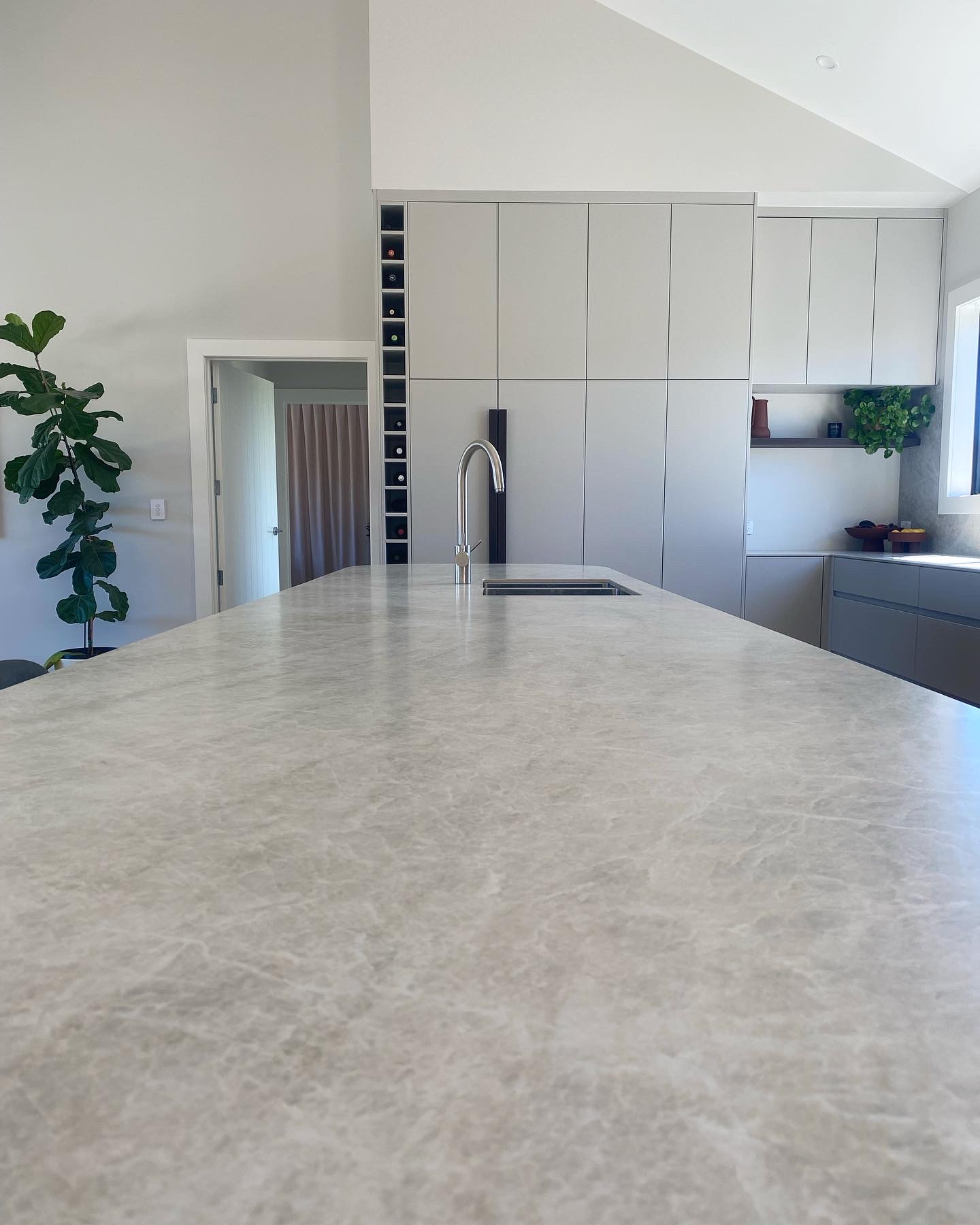
The kitchen benchtop is more than a work surface. It anchors the look of your kitchen, takes the brunt of daily cooking, and is often the first thing guests notice. Get it right, and it pulls the whole space together.
Choosing the right kitchen benchtop NZ homeowners will love long-term means weighing up material, maintenance, budget, and style. Some materials are virtually indestructible; others demand careful upkeep. Some cost a fortune; others deliver a high-end look for far less. This guide covers the most popular options in New Zealand and what sets each apart.
Why Your Kitchen Benchtop Matters
Your benchtop takes more daily punishment than almost any other surface in your home. Sharp knives, hot pots, spills, and constant prep all leave their mark. Beyond durability, it shapes the room’s visual tone, tying your cabinets, splashback, and flooring together.
Key Factors to Consider Before Choosing
- Maintenance commitment: Some materials need regular sealing; others require almost none.
- Kitchen workload: A busy household needs something tougher than a low-traffic kitchen.
- Budget and long-term value: Upfront costs do not always reflect long-term value or resale returns.
- Colours and styles: Lighter tones open up smaller kitchens; bolder materials anchor larger layouts.
- Resale value: Natural stone and engineered stone benchtops tend to lift buyer appeal more than laminate.
Popular Kitchen Benchtop Materials
Each material brings genuine strengths and real trade-offs. Here is an honest look at your main options.
Laminate Benchtops
Laminate is built from a decorative plastic layer bonded to an MDF core. It comes in a wide range of colours and styles, including finishes that replicate stone and timber, and it requires no sealing. The limitation is longevity: laminate chips and peels over time, and direct heat damages the surface. For a first home, rental, or tight budget, it remains a practical choice.
Engineered Stone Benchtops
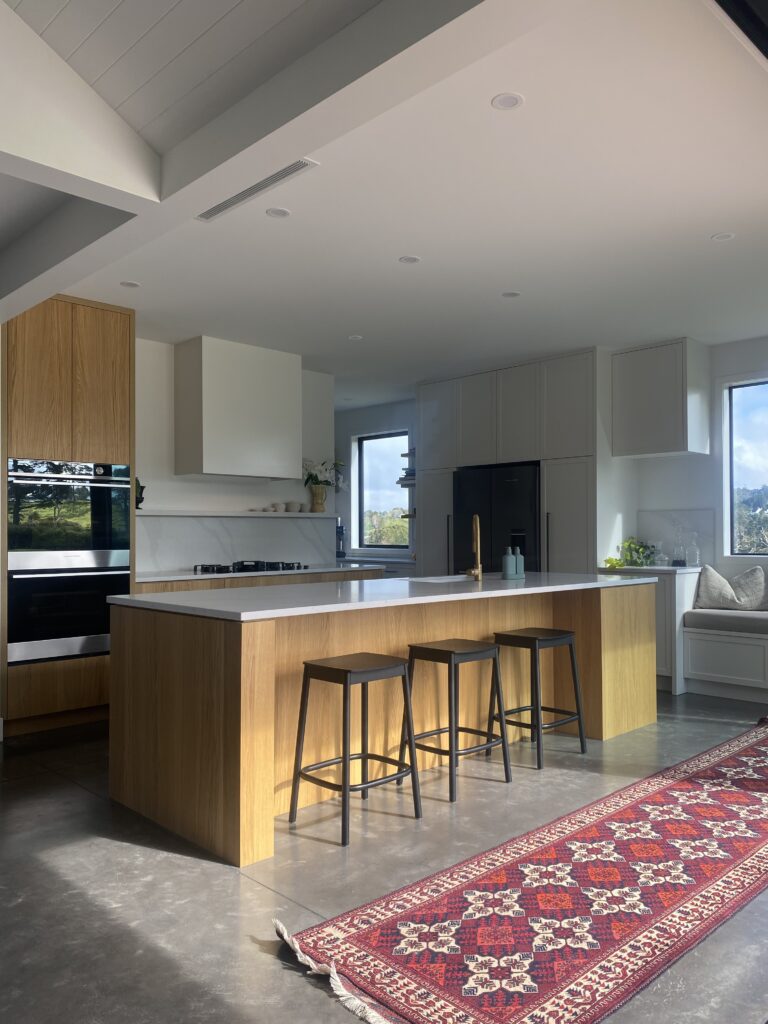
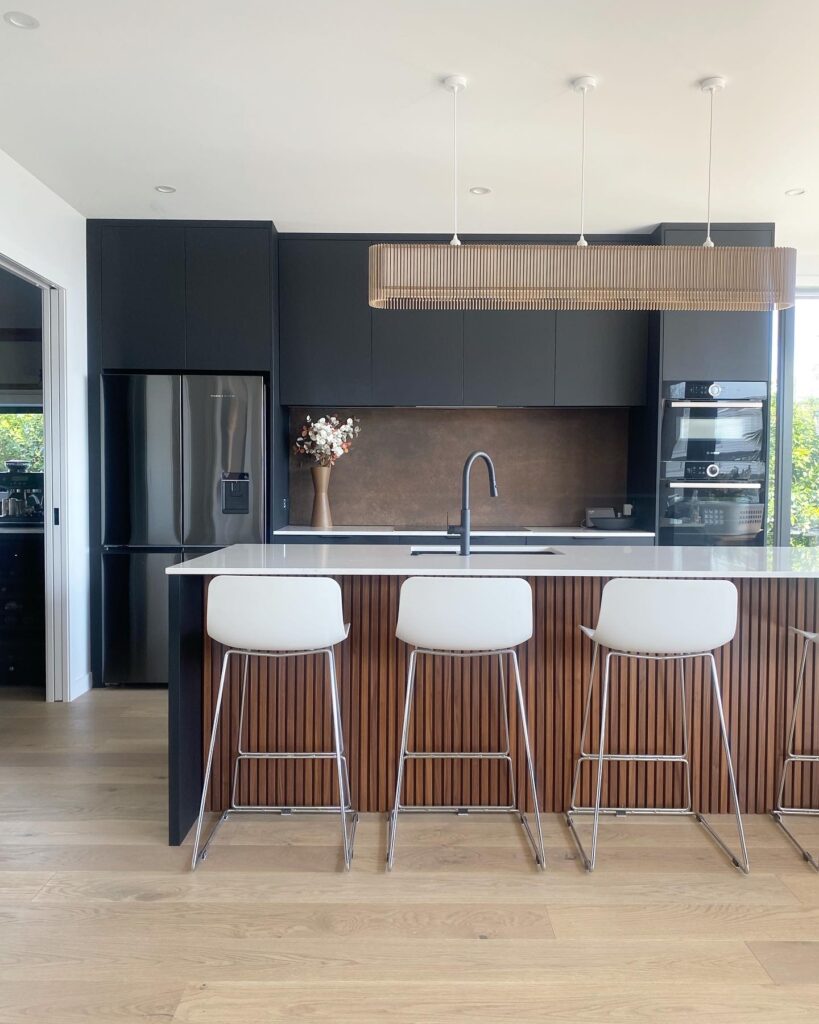
Engineered stone benchtops are made from crushed quartz bound with resin and are among the most popular choices in NZ kitchens. The surface is virtually non-porous, resisting stains from wine, coffee, and everyday spills without sealing.
Available in a wide range of colours and styles, including marble-look finishes, it works well in both contemporary and classic kitchens. Heat sensitivity is the main limitation; trivets are recommended. Engineered stone contains silica, making professional installation a requirement.
Natural Stone: Granite and Marble
Granite is among the hardest benchtop materials available. Each slab is unique, and the material adds genuine resale value. Periodic sealing keeps it stain-resistant, and while premium slabs command a premium price, the durability justifies the investment for many homeowners.
Marble suits kitchens where elegance takes priority. Its cool surface is ideal for baking, and the veining adds a timeless beauty that no engineered product can fully replicate. That said, marble etches with acidic foods and stains without regular sealing. Both are available through specialist suppliers and Auckland showrooms.
Timber Benchtops
Timber brings warmth that stone cannot match, and minor scratches can be sanded back rather than replaced. The trade-offs are real: timber needs regular oiling and sealing, scratches more readily than stone, and can harbour bacteria in surface cuts if neglected. It works best alongside natural materials and warmer colour palettes.
Porcelain Benchtops
Porcelain benchtops have grown steadily in popularity across NZ. Fired at extremely high temperatures, porcelain is hard, genuinely heat-resistant, and stain-resistant. Large-format slabs create a clean, seamless look suited to contemporary kitchens. Cost and professional installation requirements are the main considerations.
Durability vs Maintenance: What to Expect
| Material | Durability | Maintenance | Heat Resistance | NZ Price (per m²) |
| Laminate | Moderate | Very low | Poor | $120–$350 |
| Engineered Stone | High | Very low | Moderate | $400–$800 |
| Granite | Very high | Low | High | $700–$1,700 |
| Marble | Moderate | High | Moderate | $800–$2,200 |
| Timber | Moderate | High | Poor | $300–$800 |
| Porcelain | Very high | Low | Excellent | $700–$1,500 |
| Concrete | High | Moderate | High | $1,000–$1,750 |
Concrete benchtops are highly customisable in terms of colours, textures, and finishes, and they develop a distinctive character over time. They require sealing and incur higher fabrication costs but offer a truly unique surface.
Custom vs Pre-Made Benchtops
Pre-made benchtops suit standard layouts and are quicker and cheaper to supply. Custom benchtops are fabricated to exact dimensions, accommodating unusual angles and sink cut-outs. For a kitchen renovation in Auckland where a tailored finish matters, custom fabrication is usually the better investment, particularly with marble and granite, where no two slabs are identical.
Why Professional Installation Matters
Even the best material can be let down by a poor installation. Stone and porcelain benchtops are unforgiving: inadequate support and unsealed joints lead to cracking and water damage. For engineered stone, professional installation is also required due to silica dust generated during cutting. Experienced tradespeople protect both the material and your investment.
Frequently Asked Questions
What is the best material for a kitchen benchtop?
It depends on how you cook and how much maintenance you are willing to do. Engineered stone is a strong all-round choice for most NZ households: durable, low-maintenance, and available in a wide range of styles. Granite and porcelain suit those prioritising longevity. Marble suits homeowners prepared to care for it. Laminate remains the most accessible option when budget is the deciding factor.
Which benchtop is easiest to maintain?
Laminate, engineered stone, and porcelain require the least daily attention. None needs sealing, and all can be cleaned up with a simple wipe-down. Timber and marble need regular oiling or sealing to hold up over time.
Is engineered stone better than laminate?
For most homeowners, yes. Engineered stone benchtops offer better durability, a more premium finish, and stronger long-term value. They withstand heavy daily use and resist stains far better. Laminate costs less upfront and works well in the right context, but engineered stone is the sounder investment if the budget allows.